By Dave Minnick
June 7, 2026
Creating a beautiful and functional outdoor space involves more than planting flowers, trimming shrubs, or maintaining a lawn. The permanent features around a property, such as patios, walkways, retaining walls, steps, driveways, fire pits, and seating areas, help define how the exterior is used every day. These elements provide structure, support movement, improve curb appeal, and make outdoor living areas feel more complete. Choosing the right hardscape materials for these spaces can affect not only appearance but also durability, maintenance, safety, and long-term value.
Homeowners have many options when planning outdoor improvements, and each choice comes with different benefits. Some materials offer a natural look, while others provide strength, affordability, or design flexibility. Climate, budget, drainage, foot traffic, and architectural style should all guide the decision. According to Credence Research, hardscaping makes up 45% of the landscape industry’s total revenue. With hardscaping playing such a major role in outdoor design, understanding how to compare materials can help homeowners make confident decisions before starting a project.
Evaluating Your Outdoor Goals
The first step in choosing materials is understanding how the outdoor space will be used. A patio for entertaining may require a different surface than a quiet garden path or a driveway that supports daily vehicle traffic. Homeowners should consider whether the area will be used for dining, cooking, relaxing, walking, parking, or supporting landscape features. Clear goals make it easier to narrow down the best options. Thinking carefully about how the space will function each day can also help homeowners prioritize features that improve both comfort and long-term practicality.
It is also helpful to think about long-term expectations. Some homeowners want a low-maintenance design, while others are willing to care for natural stone or specialty finishes to achieve a specific look. Choosing hardscape materials that match the intended use of the space can reduce future frustration and help the finished project perform well over time. Careful planning early in the process can also help prevent costly changes later while making the outdoor area more enjoyable and functional for years to come.
Matching Your Home’s Style
Outdoor surfaces should complement the home rather than compete with it. A traditional home may look best with brick, natural stone, or classic pavers, while a modern home may pair well with clean concrete slabs, smooth finishes, or simple geometric patterns. Color, texture, shape, and layout all influence how the finished project blends with the property. Selecting materials that reflect the home’s architectural style can help create a more balanced and visually appealing outdoor environment overall.
Homeowners should also consider existing exterior features, including siding, roofing, trim, fencing, and landscaping. Coordinating tones and textures can create a more polished appearance. When materials feel connected to the home’s design, patios, paths, and walls look intentional instead of added as an afterthought. This attention to design consistency can also improve curb appeal and help outdoor spaces feel more inviting, organized, and professionally planned from every angle.
Comparing Strength and Durability
Durability is one of the most important factors in material selection. Outdoor surfaces must handle changing weather, moisture, temperature shifts, foot traffic, and sometimes vehicle weight. Concrete pavers, brick, natural stone, and retaining wall blocks can all perform well when installed correctly, but each material has different strengths. The right choice depends on the demands of the project. Choosing durable products early can help homeowners avoid unnecessary repairs and maintain a cleaner, safer outdoor space over time.
For example, driveways need materials that can support heavier loads, while garden paths may allow for lighter and more decorative options. Freeze-thaw cycles, heavy rain, and direct sunlight can also affect performance. Selecting durable hardscape materials helps protect the investment and reduces the risk of premature cracking, shifting, or surface wear. Stronger materials may also improve long-term reliability by helping outdoor features maintain their appearance and structural stability despite years of regular use and changing environmental conditions.
Considering Maintenance Needs
Every outdoor material requires some level of care. Some surfaces may need regular sweeping, occasional washing, sealing, joint sand replacement, or weed control. Natural stone may develop character over time, while concrete pavers may require periodic maintenance to preserve their appearance. Understanding these needs ahead of time helps homeowners choose a surface that fits their lifestyle. Proper maintenance can also help outdoor features stay cleaner, safer, and more visually appealing throughout changing seasons and years of regular use.
Maintenance expectations should be realistic. A homeowner who wants a simple outdoor space may prefer materials that are easy to clean and repair. Others may prioritize appearance and be comfortable with more upkeep. Choosing hardscape materials that match available time and maintenance preferences can make the outdoor space easier to enjoy year after year. Selecting surfaces that align with maintenance goals can also reduce frustration while helping homeowners protect the long-term appearance and functionality of their investment.
Planning for Drainage and Safety
Drainage plays a major role in hardscape performance. Poorly planned surfaces can cause water to collect near foundations, pool on patios, wash away soil, or create slippery areas. Material choice, base preparation, slope, and installation methods all affect how water moves through or across the space. Proper planning helps protect both the hardscape and the surrounding property. Effective drainage can also help reduce erosion, prevent standing water, and minimize long-term moisture damage that may affect nearby landscaping or structural features.
Safety should also guide material selection. Walkways, steps, and patios should provide stable footing, especially in areas exposed to rain, snow, or shade. Textured surfaces can improve traction, while even installation helps reduce trip hazards. Well-chosen hardscape materials can improve both the appearance and the usability of outdoor areas. Careful installation and thoughtful material selection can also help homeowners create outdoor spaces that feel safer, more accessible, and more comfortable for guests and family members alike.
Balancing Budget and Value
Budget is an important part of any outdoor project. Some materials have a lower upfront cost, while others require a larger investment because of their appearance, durability, or installation complexity. Homeowners should consider not only the initial price but also maintenance, repair needs, and expected lifespan. A cheaper material may not always provide the best long-term value.
It is also useful to think about how the project supports the overall property. A well-built patio, walkway, or retaining wall can improve curb appeal and make outdoor areas more functional. When homeowners balance cost with quality, they are more likely to create a finished space that meets both immediate needs and future expectations.
Choosing Professional Support
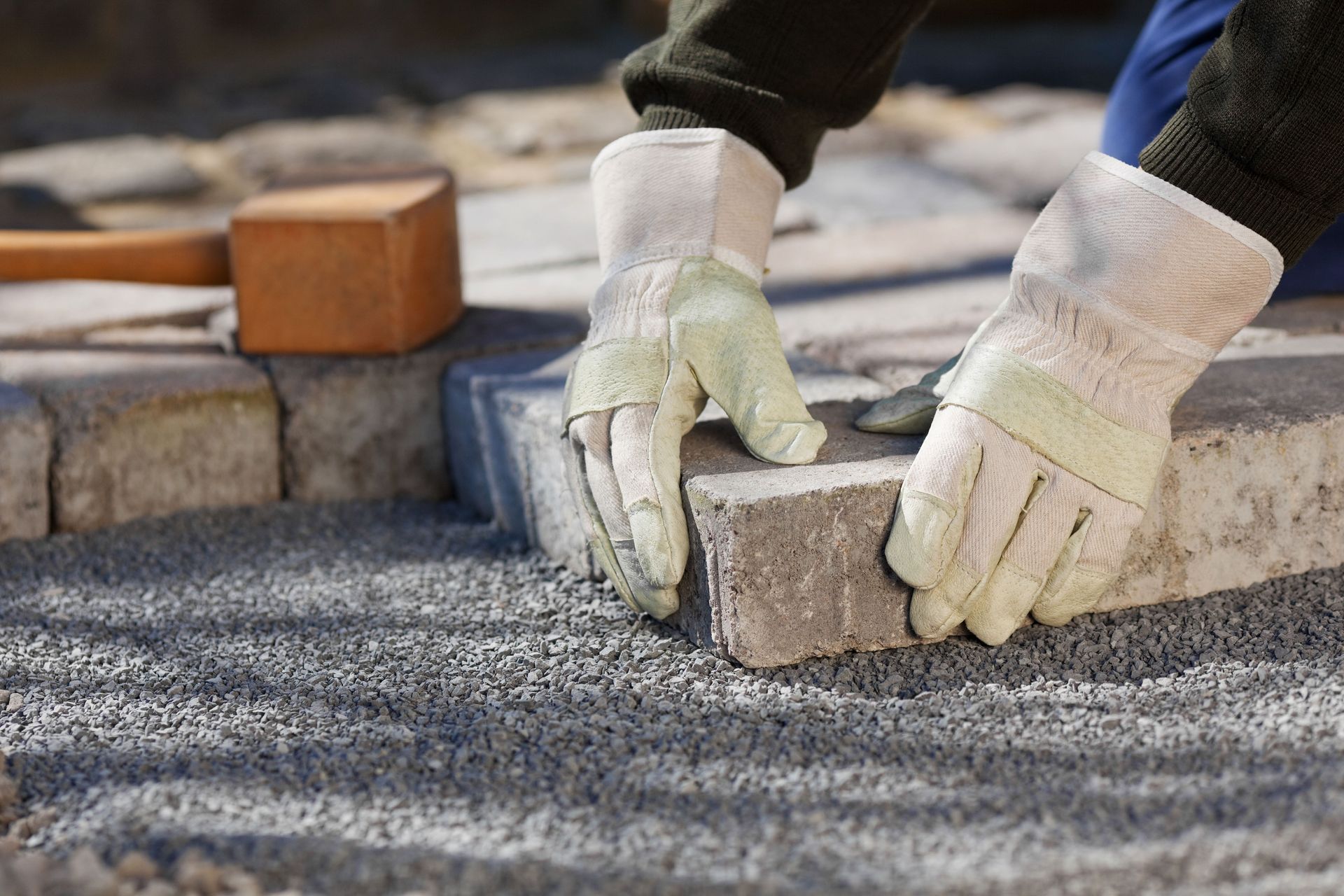
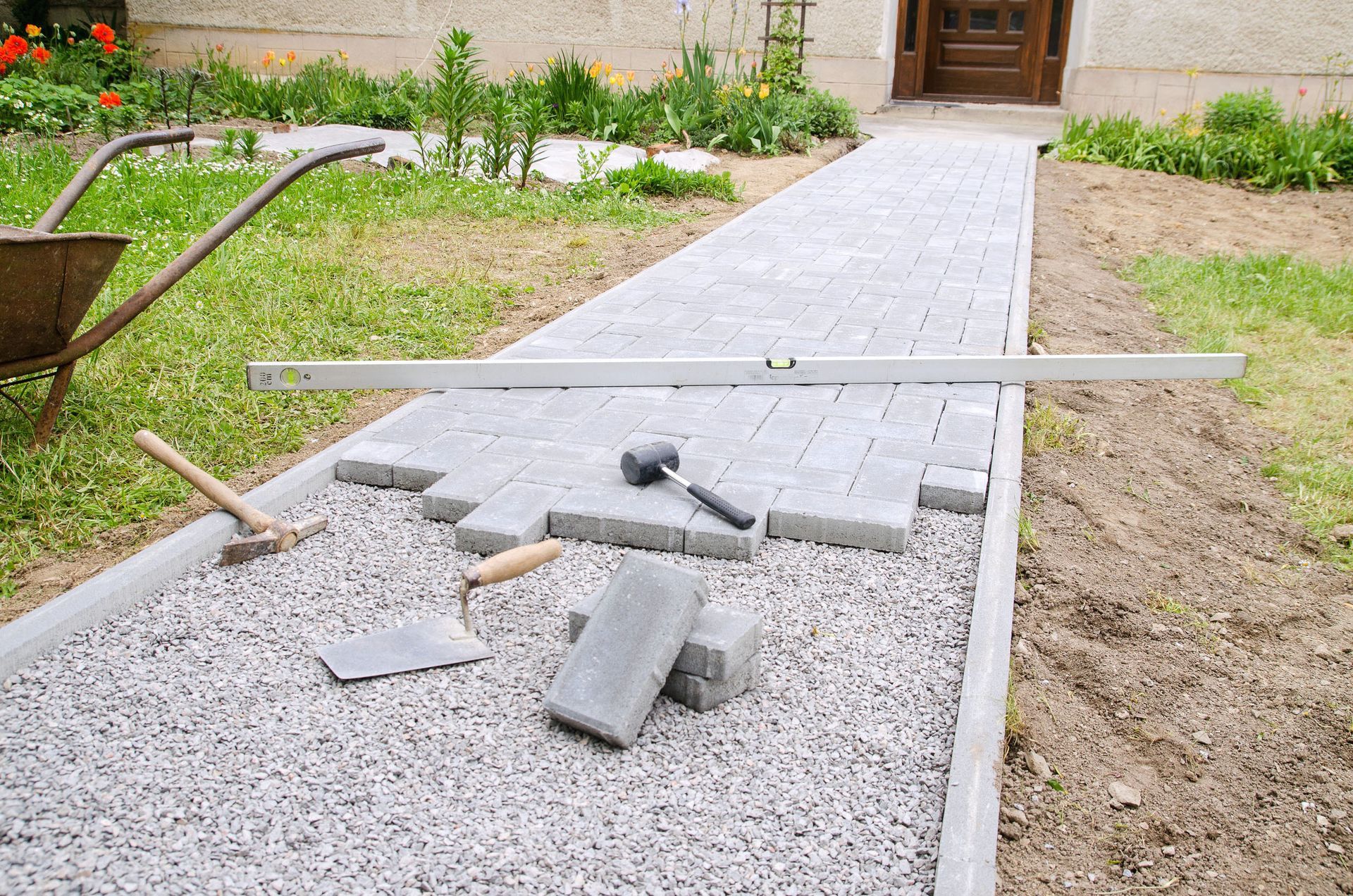
Even the best materials can fail if they are not installed correctly. Base preparation, compaction, edging, drainage, leveling, and joint placement all influence long-term performance. Professional guidance can help homeowners understand which products are best suited for their project and what installation details are needed for lasting results.
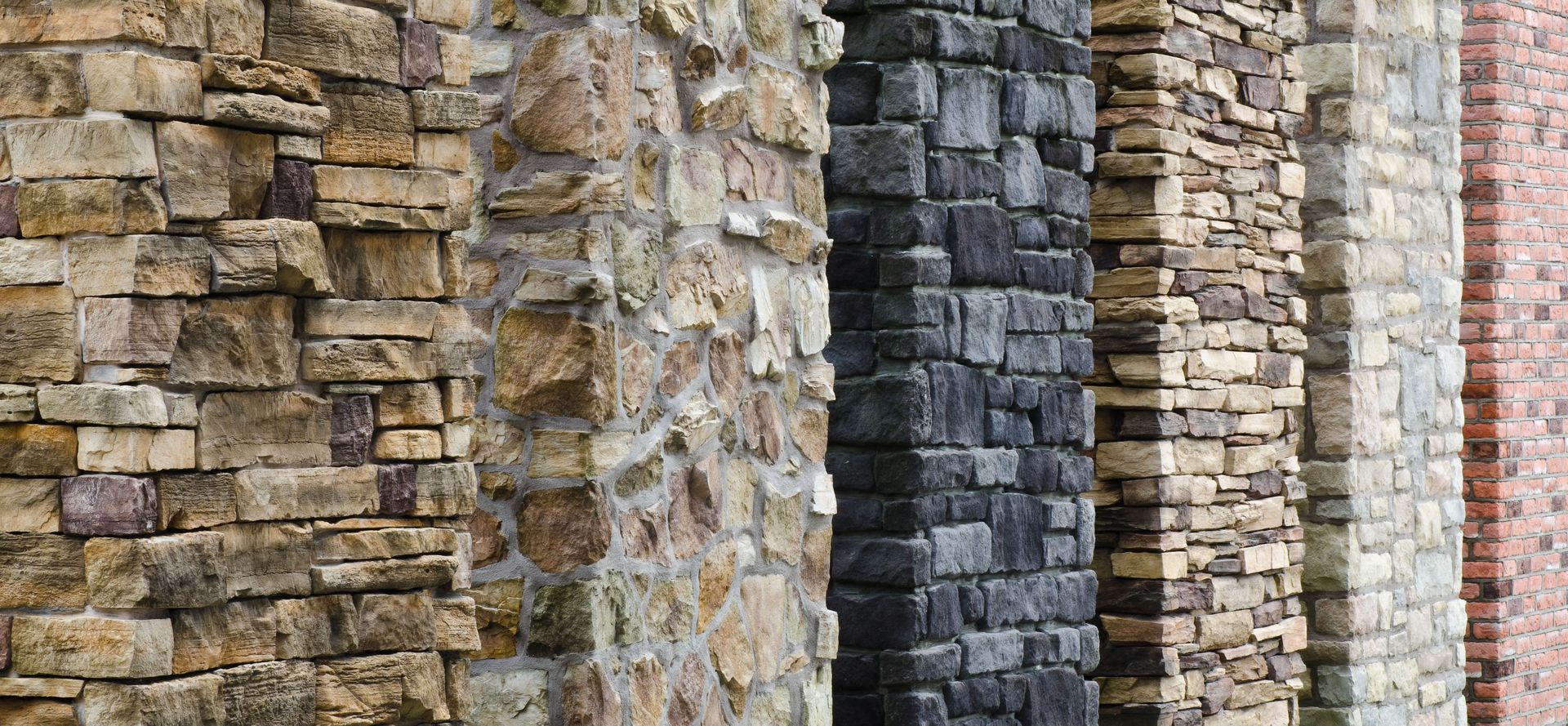
Working with knowledgeable suppliers and contractors also makes it easier to compare colors, sizes, textures, and product types. Homeowners can ask questions, review samples, and make decisions with greater confidence. Expert input helps ensure the selected hardscape materials match the project’s function, design, and budget.
Choosing the right outdoor materials requires careful thought about style, strength, maintenance, drainage, safety, budget, and long-term value. The best choice is not always the most expensive or the most decorative option, but the one that fits the home, the project, and the way the space will be used. With the right planning and professional support, homeowners can create outdoor areas that are attractive, durable, and enjoyable for years to come. To find quality hardscape materials for your next project, contact Hilltop Block & Supply.