By Dave Minnick
August 14, 2026
Making the right choice from a paver supply company for your new walkway can enhance your home's aesthetics and functionality. With careful consideration, you can significantly boost your home's curb appeal and potential resale value. In fact, according to HomeGuide, adding a paver patio or walkway offers a 69% return on investment, making it a smart choice for homeowners. Let's delve into the advantages of each type to help you make an informed decision.
Concrete Pavers
Durability and Strength
Concrete pavers are renowned among paver supply companies for their durability and strength. They're designed to withstand heavy loads and various weather conditions, making them a dependable choice for high-traffic areas. Due to their robustness, concrete pavers can last many years with minimal repairs. Their resilience is especially beneficial in colder climates where freeze-thaw cycles are common. While concrete pavers are strong, their longevity can vary based on quality and installation precision.
The manufacturing process of concrete pavers involves a blend of cement, water, and aggregates, resulting in a high-strength product. This robust composition allows them to handle heat, cold, and moisture without significant damage. Additionally, their uniform structure ensures that they maintain their shape over time. However, despite their strength, concrete pavers can crack under extreme pressure or improper handling during installation. These potential issues highlight the importance of using quality materials and professional installation techniques.
Concrete pavers can be repaired or replaced individually if damage does occur, making maintenance relatively simple. This feature makes them an attractive option for homeowners who desire a long-lasting solution. Their ease of maintenance and repair adds to their appeal as a cost-effective and practical choice. Moreover, investing in high-quality materials and correct installation can further prolong their lifespan. Proper maintenance, such as regular cleaning and sealing, will ensure that concrete pavers continue to provide aesthetic and practical benefits.
Design Versatility
Concrete pavers offer a wide range of styles, colors, and textures, adding to their popularity. They can mimic the appearance of natural stone, brick, or even wood, allowing homeowners to achieve their desired look. The adaptability of concrete pavers makes them suitable for various architectural styles, from modern to traditional. Their versatility extends to shape and size options, enabling personalized designs. This flexibility can enhance the aesthetic appeal of a property significantly.
In addition to their diverse appearance, concrete pavers can be arranged in multiple patterns to create unique designs. Geometric or random patterns can add visual interest to a walkway, enhancing its overall appearance. The ability to mix and match different shapes and colors allows for endless design possibilities. Consequently, homeowners can precisely tailor their walkways to match their personal tastes and landscaping goals. This customization enables concrete pavers to complement a wide variety of garden designs and layouts.
Cost Effectiveness
Concrete pavers are generally more affordable than natural stone or brick options at a paver supply company. This cost-effectiveness makes them a popular choice for budget-conscious homeowners. Despite their lower price point, concrete pavers provide a durable surface that can withstand high usage. Additionally, their affordability does not compromise quality, as high-grade concrete pavers offer excellent performance. This combination of affordability and durability offers homeowners significant value for money.
Installation Process
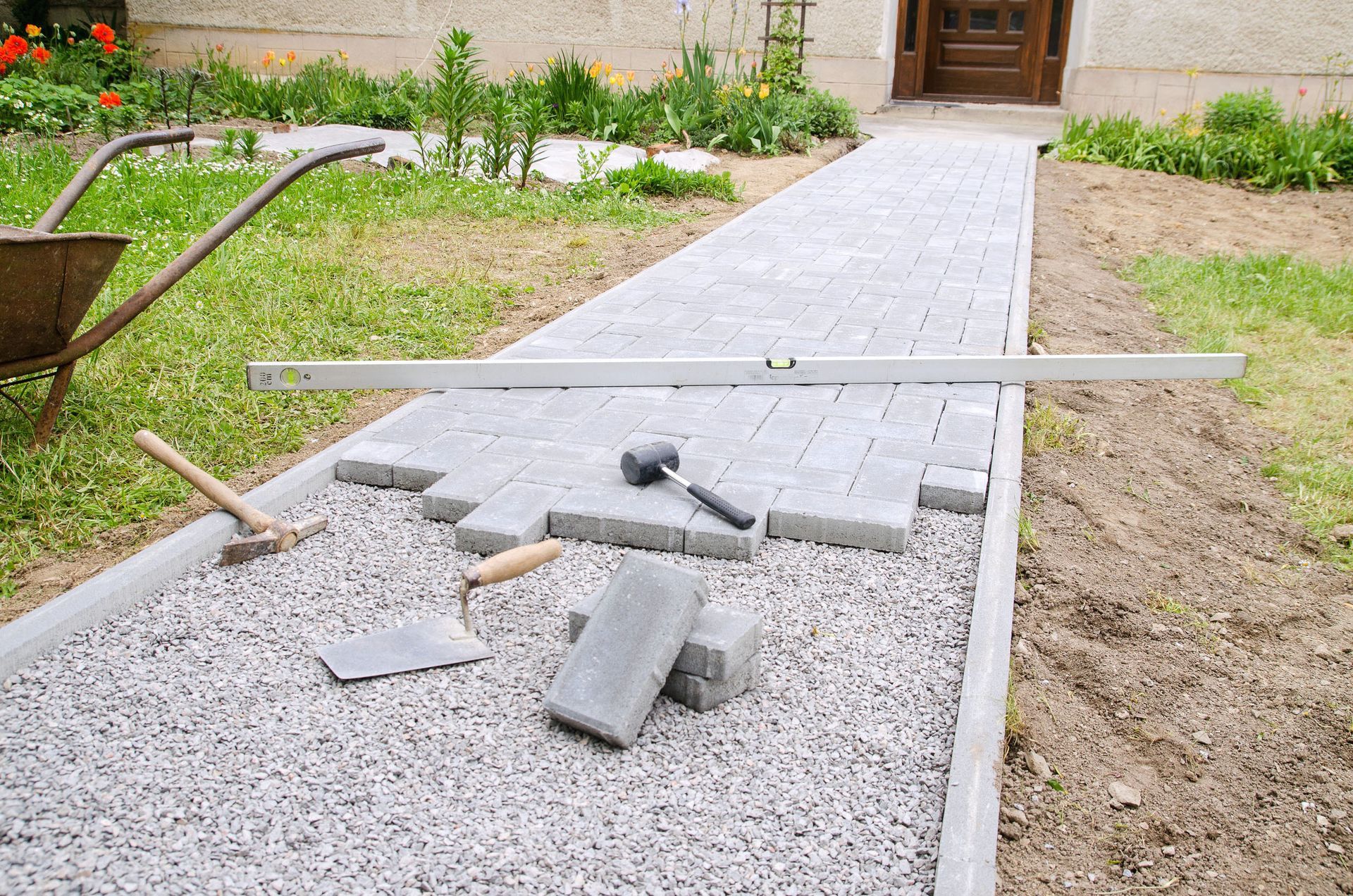
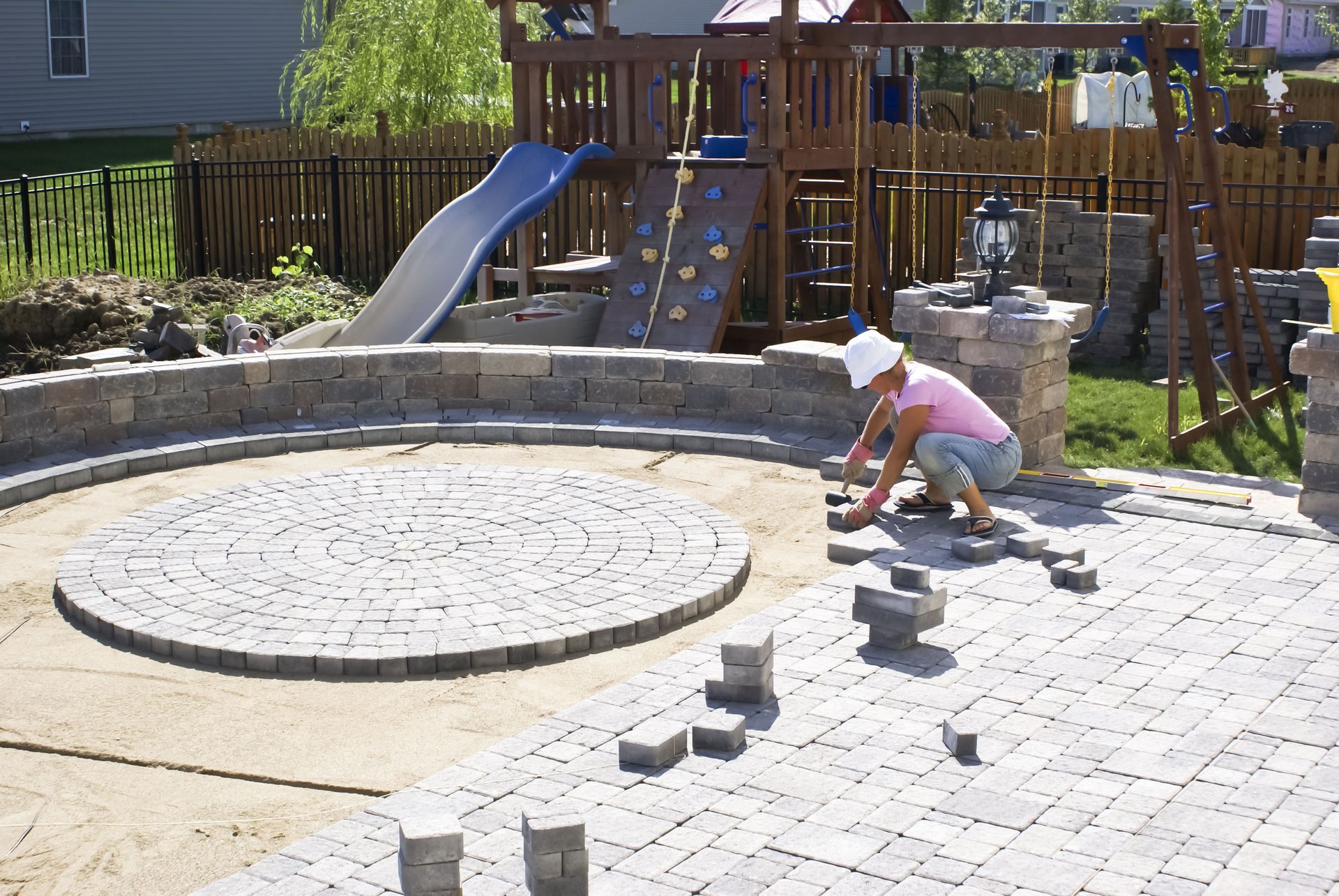
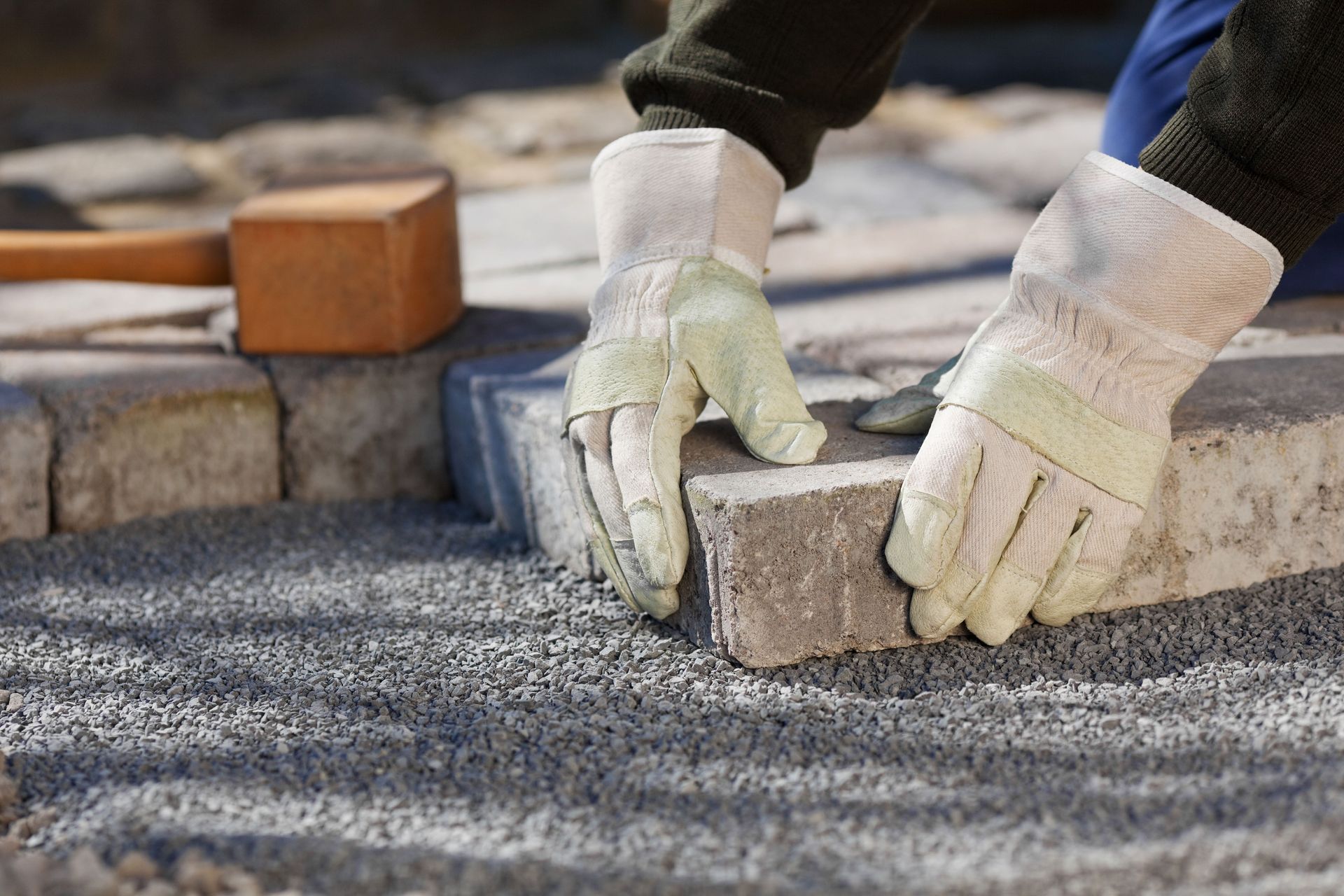
The installation process for concrete pavers involves several critical steps. Preparation is key, starting with a detailed plan and site assessment. The ground is then excavated to the necessary depth, ensuring a stable base for the pavers. A layer of gravel or sand is laid down to facilitate proper drainage and support. Pavers are then placed according to the desired pattern, with joints filled and compacted for stability.
Maintenance Requirements
Concrete pavers require minimal maintenance, making them an attractive option for busy homeowners. Regular cleaning with water and mild detergent is often sufficient to keep them looking fresh. Sealing concrete pavers every few years can enhance their appearance and protect against stains. This preventive measure ensures longevity and maintains their aesthetic appeal. Regular inspection and minor repairs, such as replacing cracked pavers, help extend their lifespan and usability.
Stone Pavers
Natural Beauty
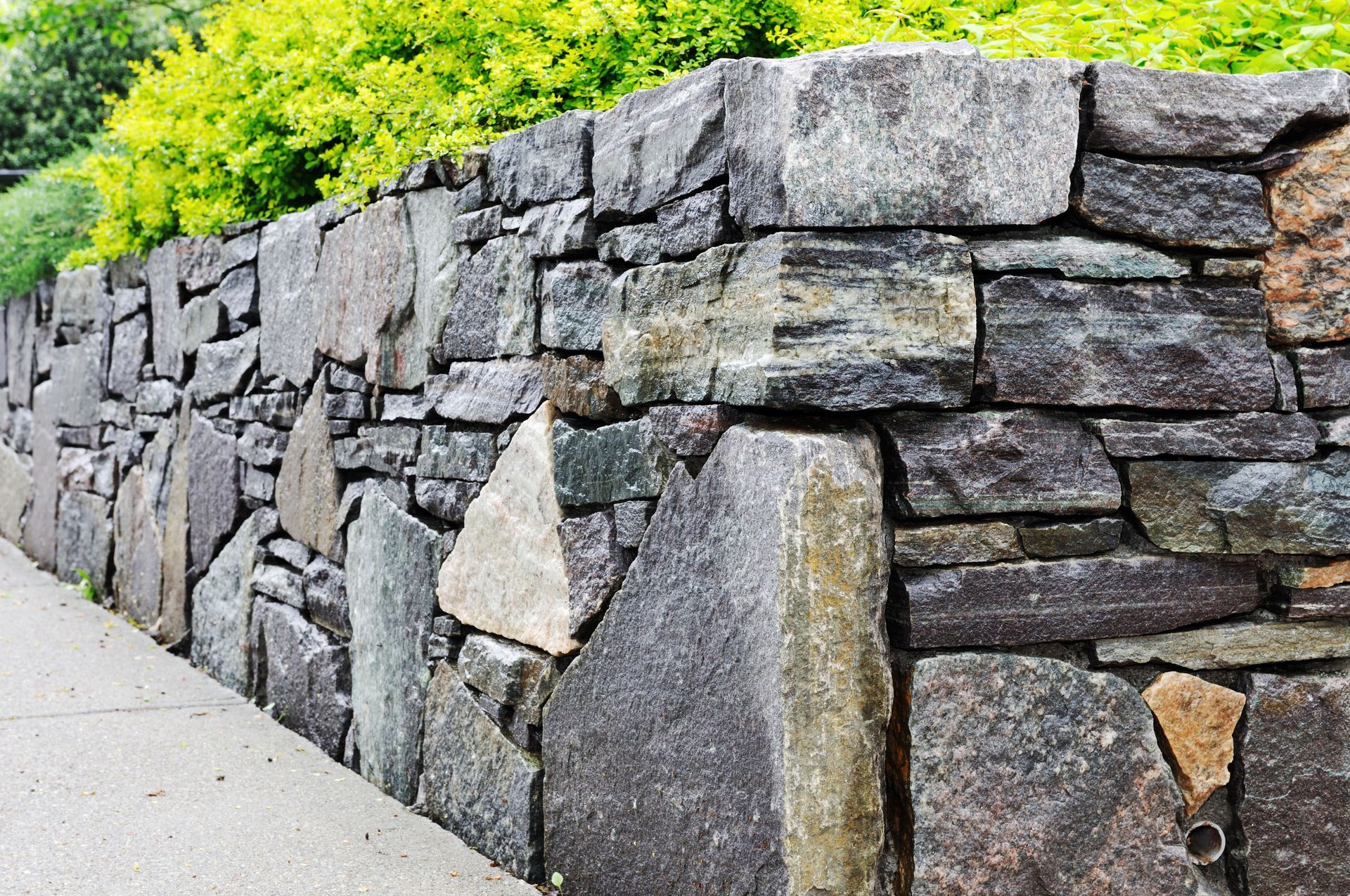
Stone pavers offer unparalleled natural beauty, adding elegance and sophistication to outdoor spaces. Every stone is unique, boasting distinct textures, colors, and patterns formed over millions of years. This individuality allows stone pavers to create visually striking and one-of-a-kind designs. Their natural appeal enhances any environment, complementing both traditional and modern architecture. By incorporating stone pavers sourced from a reliable paver supply company, you can achieve a luxurious and timeless aesthetic.
Variety of Options
Stone pavers provide a diverse array of options, offering numerous textures, colors, and sizes. This variety enables customization, ensuring homeowners achieve their desired appearance and style. Granite, for example, offers a range of colors from gray to pink, enhancing both contemporary and classic designs. Limestone provides softer hues, creating a more subdued and elegant look. Slate, with its rich, dark tones, adds sophistication and drama to outdoor spaces.
Price Considerations
The price of stone pavers can vary widely based on factors such as type, source, and quality. Natural stone is often more expensive than synthetic alternatives, reflecting its premium nature and unique qualities. Granite and slate tend to be more costly due to their strength and distinctive appearance. However, the investment can be worthwhile, as stone pavers significantly enhance property value and curb appeal. Their premium cost is balanced by their aesthetic and practical benefits.
Installation Challenges
Installing stone pavers presents certain challenges that require expert handling and precise techniques. Natural stone's irregular shapes and sizes may necessitate cutting and fitting to achieve the desired pattern and layout. This intricacy increases the complexity of the installation process, emphasizing the need for skilled workmanship. Proper site preparation, including leveling and compacting the base, is critical to prevent issues like paver shifting. Ensuring a stable foundation is essential for the long-term performance of stone walkways.
Cambridge Pavers
Style and Collection Variety
Cambridge pavers offer an extensive selection of collections, colors, and textures designed to complement diverse architectural styles. Options at a typical paver supply company will range from the traditional look of tumbled stone in the Renaissance Collection to the sleek, clean lines of modern geometric styles. Homeowners can select finishes that replicate aged cobblestone, natural slate, or polished stone to fit their specific design vision. This wide array of stylistic options allows for continuous, cohesive integration across walkways, driveways, and outdoor living areas.
Mid-Range Value
Positioned between basic concrete pavers and premium natural stone, Cambridge pavers represent a balanced mid-range investment. While they are generally more expensive than standard concrete pavers due to their specialized manufacturing process, they are significantly more affordable than natural stone options like granite or slate. This price positioning makes them a compelling choice for homeowners seeking high-end aesthetics and long-term durability without the premium price tag of natural stone materials.
Installation Considerations
Installing Cambridge pavers requires standard, precise hardscaping techniques to ensure a stable and level surface. The process begins with proper excavation, followed by laying and compacting a solid crushed stone sub-base topped with a smooth bed of setting sand. Because these pavers are manufactured to uniform dimensions, laying them in intricate patterns or straight lines is efficient, though precise border cutting and edge restraints are necessary to prevent shifting over time.
Simple Upkeep
Maintaining Cambridge pavers is straightforward thanks to their non-porous, protective surface layer. Routine maintenance typically involves basic sweeping to remove organic debris and periodic washing with water and a mild detergent to keep the surface clean. The dense surface minimizes stain absorption from oil, dirt, or leaf tannins, making cleanup much easier compared to standard, untreated concrete surfaces.
Choosing the right paver for your walkway or patio ultimately comes down to balancing your budget, aesthetic preferences, and maintenance expectations. Regardless of which material you choose, investing in quality hardscaping at a paver supply company like Hilltop Block & Supply offers an impressive return on investment while dramatically elevating your home's curb appeal. Reach out to us today to get started!