By Dave Minnick
November 16, 2026
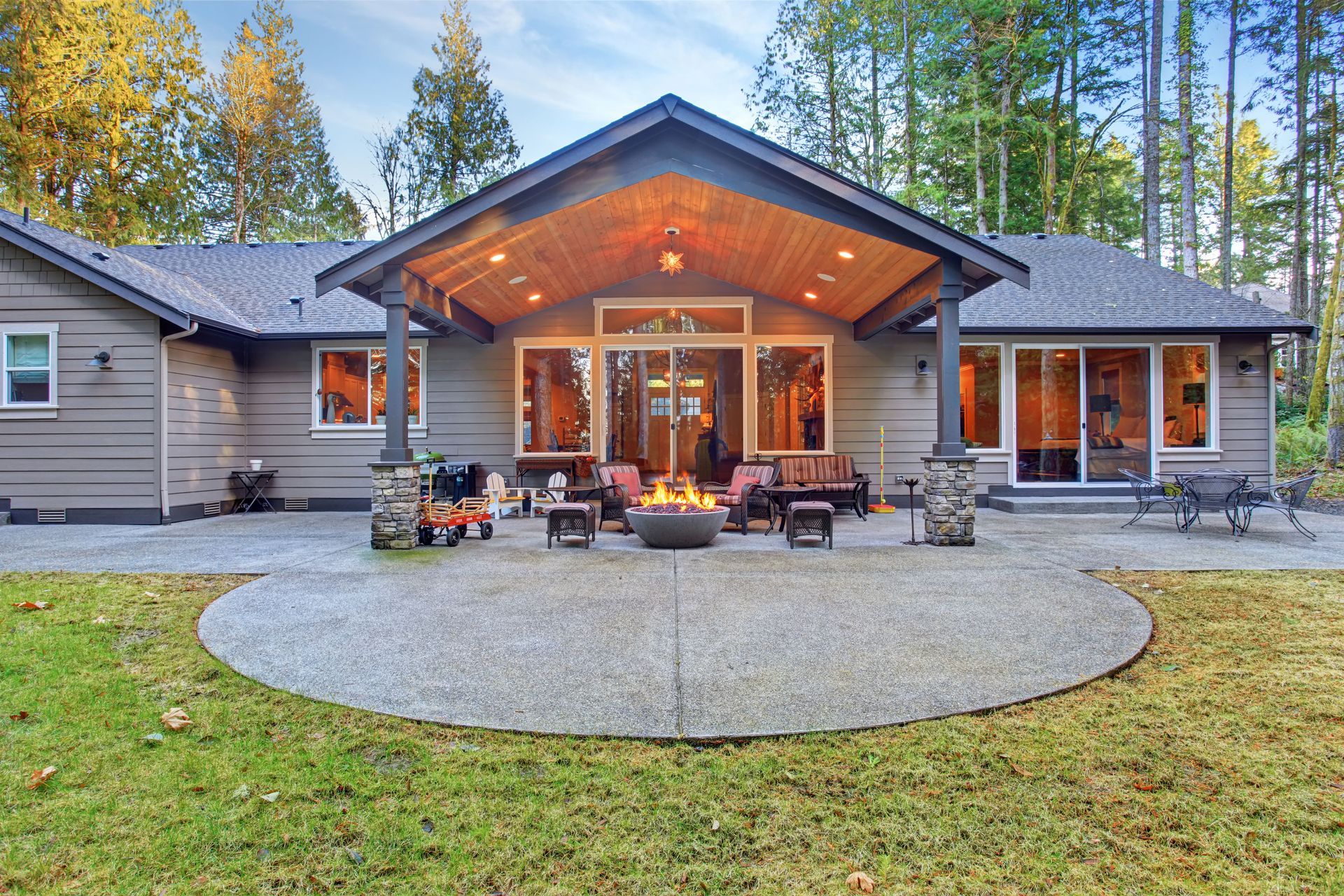
A patio can transform an outdoor space into a comfortable place for relaxing, entertaining guests, and enjoying time with family. Whether you envision a quiet backyard retreat or a spacious area for hosting gatherings, choosing the right materials is an important part of bringing your plans to life. The materials you select will influence your patio's appearance, durability, maintenance requirements, and overall cost. With so many options available, it helps to understand what each material offers before making a decision.
Working with knowledgeable hardscaping suppliers can make the selection process easier by helping you compare materials and find products that suit your project. From natural stone and concrete pavers to brick and gravel, each option has different benefits to consider. A new patio can also be a worthwhile investment in your property. According to HomeLight, a new patio typically offers a 109% return on investment. With that in mind, here are five tips to help you choose the right materials for your patio.
1. Consider Your Patio's Overall Design
One of the first things to consider when choosing patio materials is the appearance you want to achieve. Your patio should complement your home's exterior, landscaping, and other outdoor features. Selecting materials that coordinate with the existing property can create a more cohesive appearance and make the entire outdoor space feel thoughtfully designed.
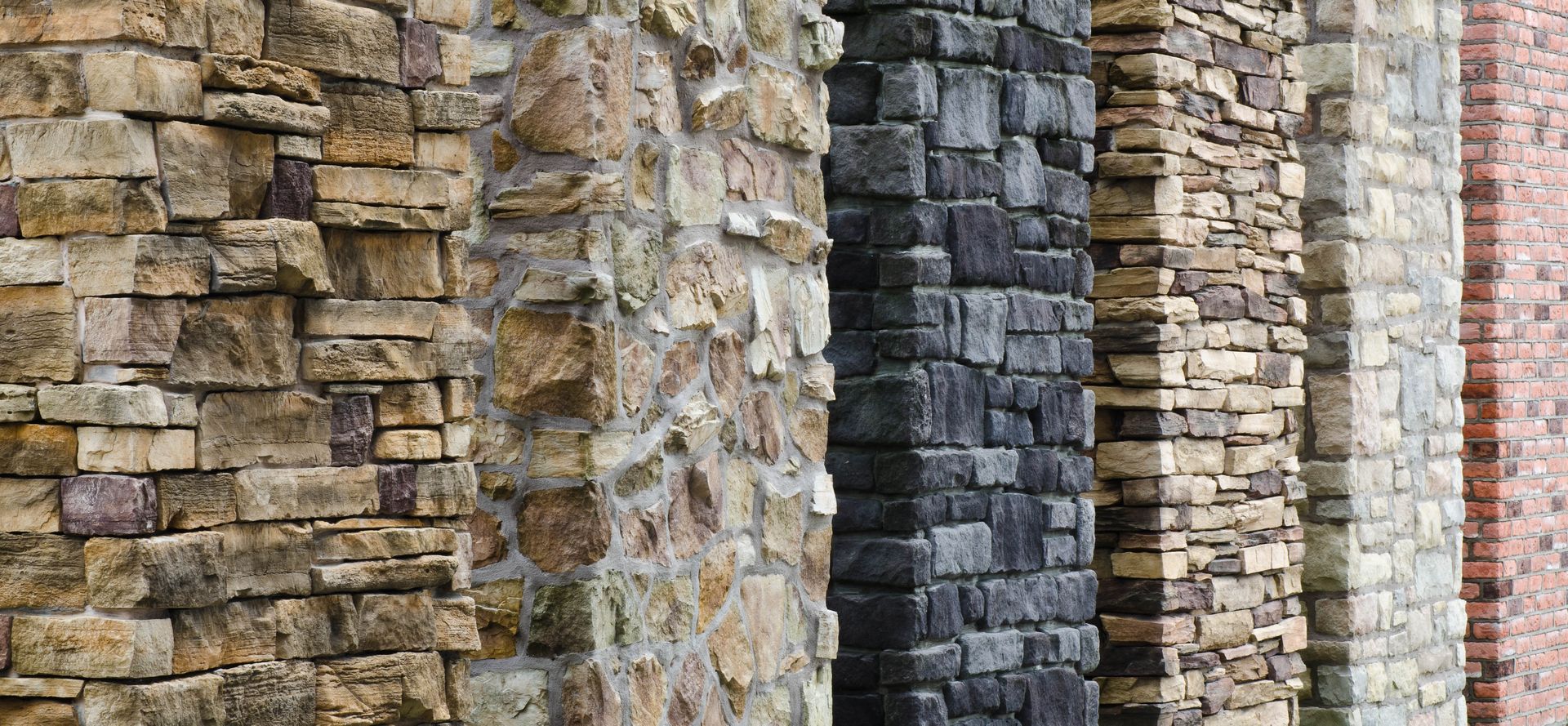
For a traditional look, brick pavers can provide warmth and character. Their familiar appearance works well with many architectural styles, while their different colors and patterns offer opportunities for customization. Natural stone is another attractive choice for homeowners who prefer an organic appearance. Materials such as flagstone and limestone feature unique textures and color variations that can give a patio a distinctive look.
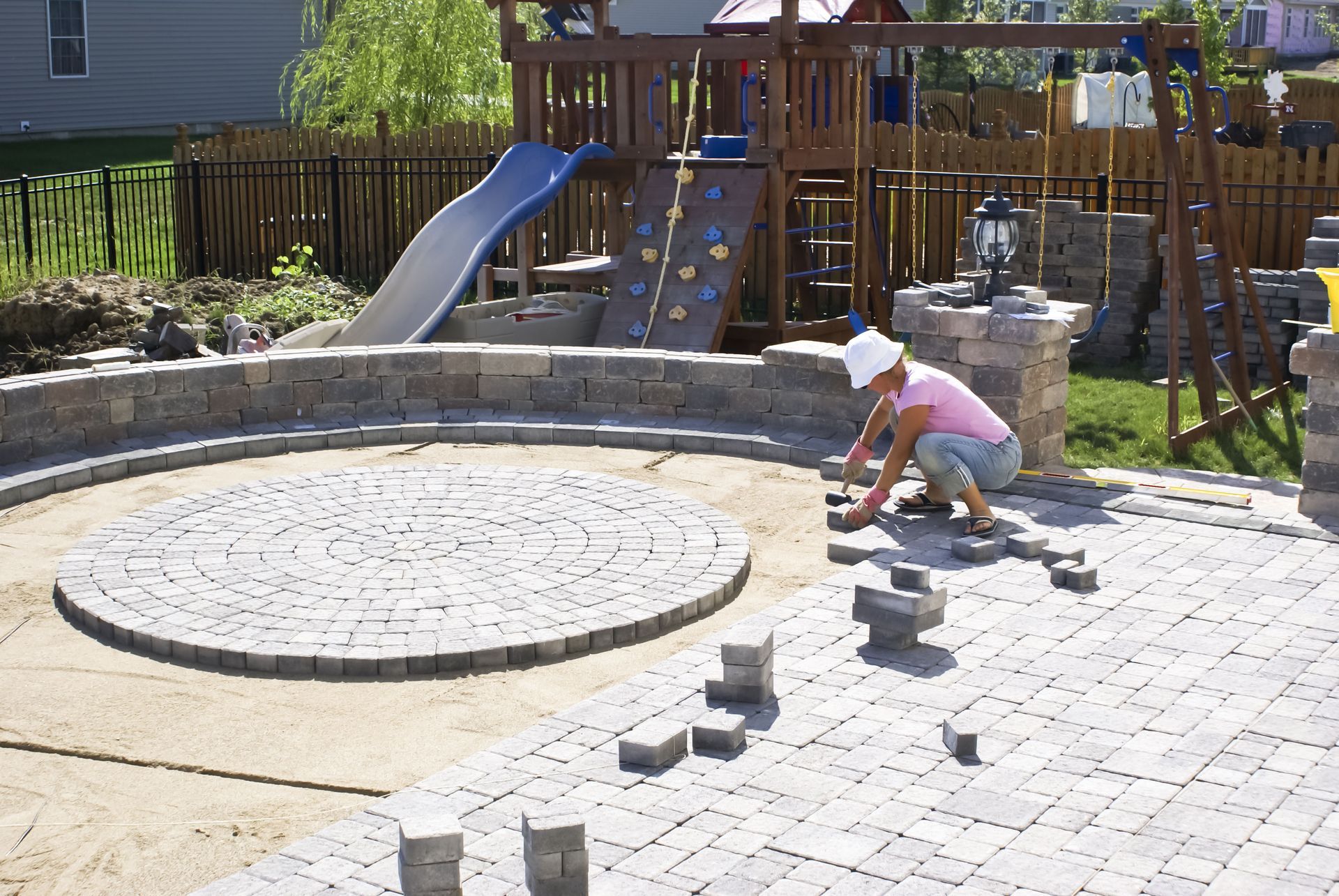
Concrete pavers offer additional flexibility because they come in numerous shapes, sizes, colors, and finishes. They can be arranged in different patterns to create anything from a simple contemporary design to a more traditional layout. When visiting hardscaping suppliers, consider bringing photographs of your home and outdoor space. These references can help you compare different materials and determine which options will complement your property's existing features.
2. Evaluate Durability and Weather Resistance
While appearance matters, your patio materials must also withstand regular use and changing weather conditions. Outdoor surfaces are exposed to sunlight, rain, temperature fluctuations, and foot traffic throughout the year. Choosing durable materials can help prevent premature wear and reduce the need for frequent repairs or replacements.
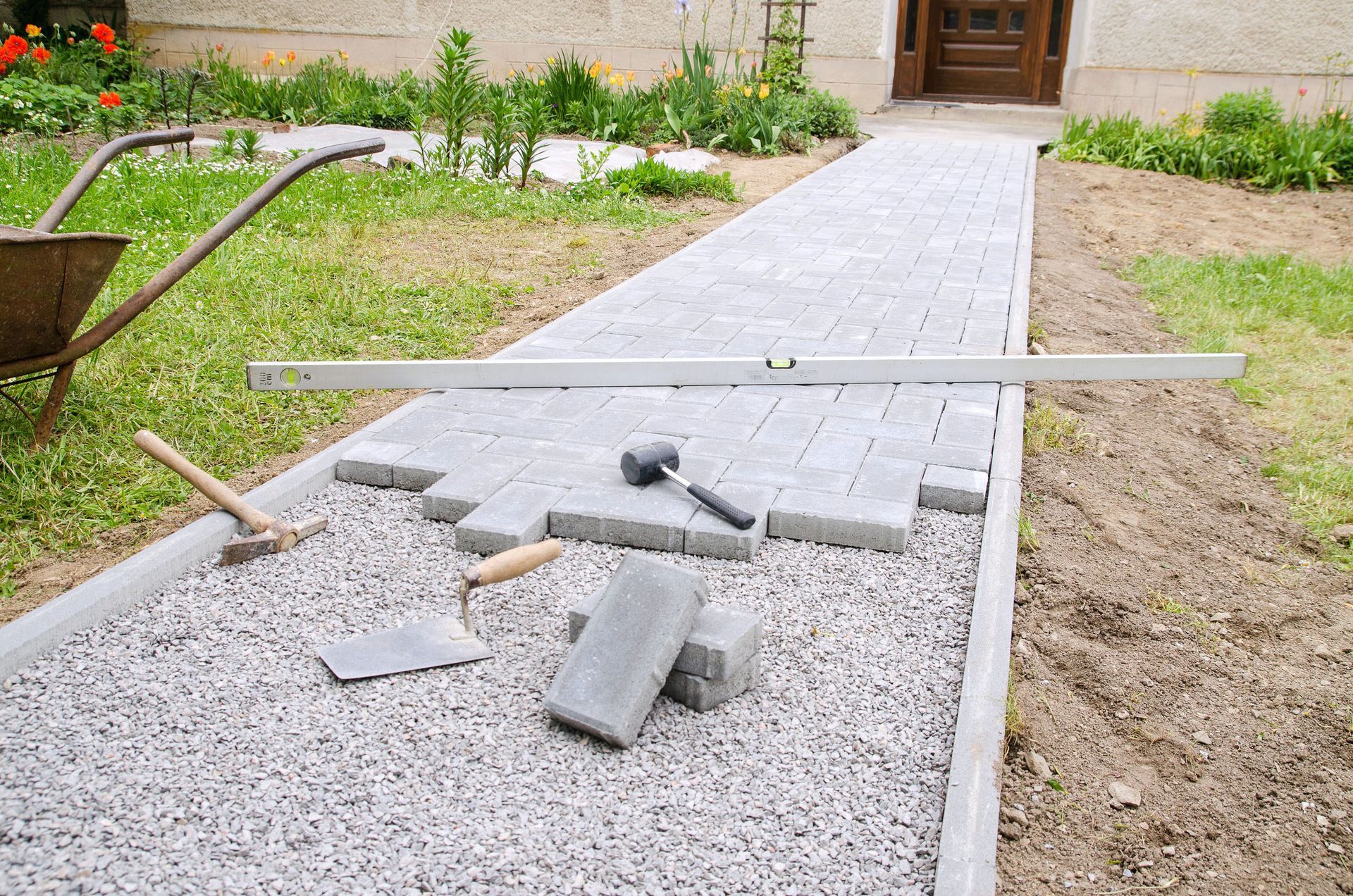
Concrete pavers are a popular option because they are designed to handle outdoor conditions and everyday use. Individual pavers can also be replaced if one becomes cracked or damaged, making certain repairs more manageable. Natural stone is another durable choice, although its performance can vary depending on the specific type of stone and its characteristics.
Brick is also commonly used for patios because of its strength and classic appearance. However, homeowners should consider how the selected brick will respond to moisture and seasonal temperature changes. In colder climates, freeze-thaw cycles can affect certain materials, particularly when water collects in small cracks or joints.
Gravel may work well for informal patios and seating areas, but it can shift over time and require occasional replenishment. Ask hardscaping suppliers about the durability of each material, including how it performs in your local climate. Understanding these differences can help you select a surface that will remain functional and attractive for years.
3. Establish a Realistic Project Budget
Your budget is another important factor when comparing patio materials. The initial purchase price is only one part of the overall investment. You should also consider installation costs, preparation work, necessary supplies, and long-term maintenance. Comparing these expenses can help you make a decision that fits your financial plans without overlooking important project requirements.
Gravel is often an economical option for homeowners who want to create a simple outdoor seating area. It generally requires less specialized installation work than some other patio surfaces, although proper ground preparation and edging are still important. Concrete pavers can offer a balance between design flexibility and cost, depending on the style and quality selected.
Natural stone may involve a larger initial investment, particularly when choosing premium varieties or irregularly shaped pieces that require additional installation work. Brick pricing can also vary based on the product, pattern, and amount of labor involved. When comparing these materials, remember that a lower upfront price does not always mean lower expenses over time.
Visiting hardscaping suppliers allows you to compare product options and ask questions about quantities, pricing, and additional materials needed for installation. It is also helpful to measure your planned patio area before requesting estimates. Having an approximate square footage can make it easier to determine how much material you need and avoid purchasing significantly more or less than your project requires.
4. Think About Maintenance Requirements
Different patio materials require different levels of upkeep. Before making a selection, consider how much time you are willing to spend cleaning, maintaining, and protecting your outdoor surface. Choosing a material that fits your maintenance preferences can help you enjoy your patio without creating additional responsibilities.
Concrete pavers generally require routine sweeping and occasional washing to remove dirt and debris. Depending on the product and installation, sealing may also help protect the surface and maintain its appearance. Homeowners should periodically inspect the joints between pavers because weeds can sometimes grow in the spaces if they are not properly maintained.
Natural stone may require specific cleaning products or sealing treatments, depending on the stone's porosity and finish. Using inappropriate cleaners can damage certain surfaces, so it is important to follow the manufacturer's recommendations. Brick patios may also need occasional attention to prevent weed growth between joints and address shifting or damaged bricks.
Gravel patios typically require periodic raking to redistribute stones and maintain an even surface. Additional gravel may need to be added as materials shift or become displaced over time. When discussing your options with hardscaping suppliers, ask about recommended cleaning methods, sealing requirements, and expected maintenance. These details can help you choose a material that fits your lifestyle as well as your design preferences.
5. Match the Material to Your Patio's Purpose
The way you plan to use your patio should influence the materials you choose. An outdoor dining area, a space for entertaining, and a quiet garden retreat may have different practical requirements. Thinking about the activities your patio will accommodate can help you identify materials that provide the right combination of comfort, stability, and functionality.
For example, a patio intended for outdoor dining should have a relatively smooth and level surface. Concrete pavers and properly installed natural stone can provide stable areas for tables and chairs. These materials also make it easier to move outdoor furniture without navigating an uneven surface.
If you plan to use your patio for entertaining, consider how much foot traffic the area will receive. Durable pavers or brick can work well in spaces that regularly accommodate family gatherings and visitors. You may also want to consider how the patio connects to walkways, driveways, and other outdoor living areas.
For a more natural backyard retreat, flagstone or gravel may complement surrounding gardens and landscaping. However, consider whether the surface will be comfortable for walking barefoot or moving outdoor furniture. Slope and drainage are also important considerations, especially if your patio will be located near your home. Hardscaping suppliers can help you compare materials based on your intended use and explain which options may work best for different outdoor applications.
Choosing the right patio materials involves more than selecting a color or style you like. Durability, weather resistance, budget, maintenance, and intended use all play important roles in determining which products will work best for your outdoor space. Taking the time to evaluate these factors can help you avoid unnecessary expenses and create a patio that meets your needs.
It is also helpful to compare several materials before making a final decision. Working with experienced hardscaping suppliers gives you an opportunity to explore available products, ask questions, and better understand the requirements of your project. With thoughtful planning and the right materials, you can create an inviting outdoor area that adds functionality, visual appeal, and value to your property. Would you like to work with
hardscaping suppliers you can rely on? Contact Hilltop Block & Supply today.